

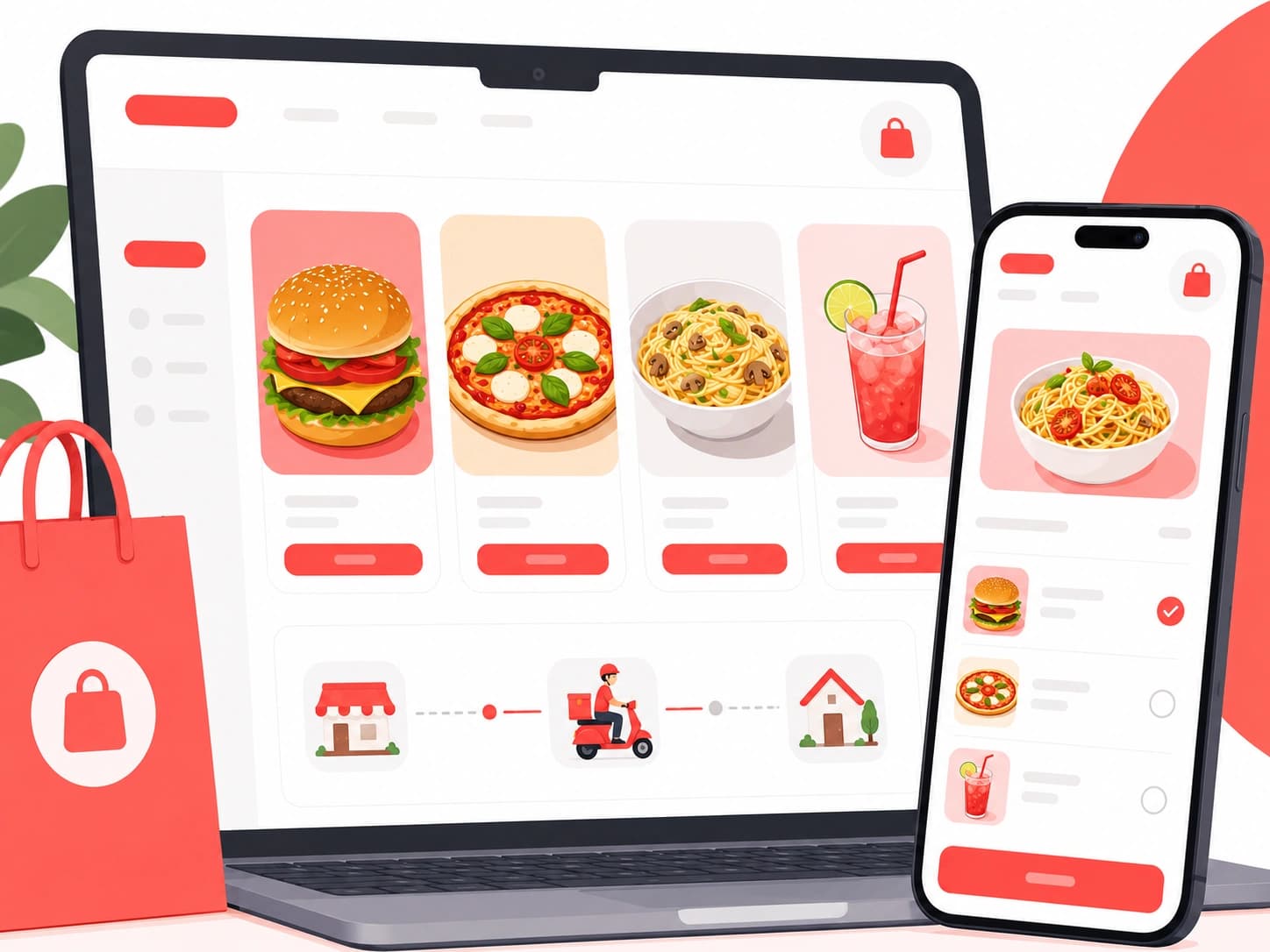
A cloud kitchen depends on digital demand, so the channel that owns the customer relationship has major control over margin and repeat orders.
This case-style guide shows how a cloud kitchen can move from marketplace-only demand toward a blended model where direct ordering becomes a real repeat revenue channel.
Why are cloud kitchens dependent on delivery platforms?
Cloud kitchens often rely on delivery platforms because they lack dine-in foot traffic and need digital discovery from day one.
That discovery is useful, but it can also mean platform commissions, limited customer data, and little brand memory after the order is delivered.
What direct channel should a cloud kitchen build first?
A cloud kitchen should usually start with a mobile-friendly direct ordering page connected to packaging QR codes and repeat-order offers.
The first audience is not strangers. It is customers who already received your food through any channel and might reorder if the direct path is obvious.
How can packaging create direct repeat orders?
Packaging creates direct repeat orders when every bag, box, and receipt includes a QR code with a direct-only offer or loyalty incentive.
The offer should be simple: order direct next time for points, a free add-on, or a direct-only bundle.
What should cloud kitchens measure?
Cloud kitchens should measure direct order share, repeat order rate, customer acquisition cost, average order value, and commission saved.
The goal is not to turn off marketplaces overnight. The goal is to make direct orders a growing share of repeat revenue.
Frequently asked questions
Conclusion
For cloud kitchens, direct ordering is a long-term asset. Every package that leaves the kitchen can invite the next order back into your own channel.
Discussion
Comments
No comments yet.
Ask a question or add what worked in your restaurant.